
How to Handle E-commerce Returns and Refund Requests at Scale
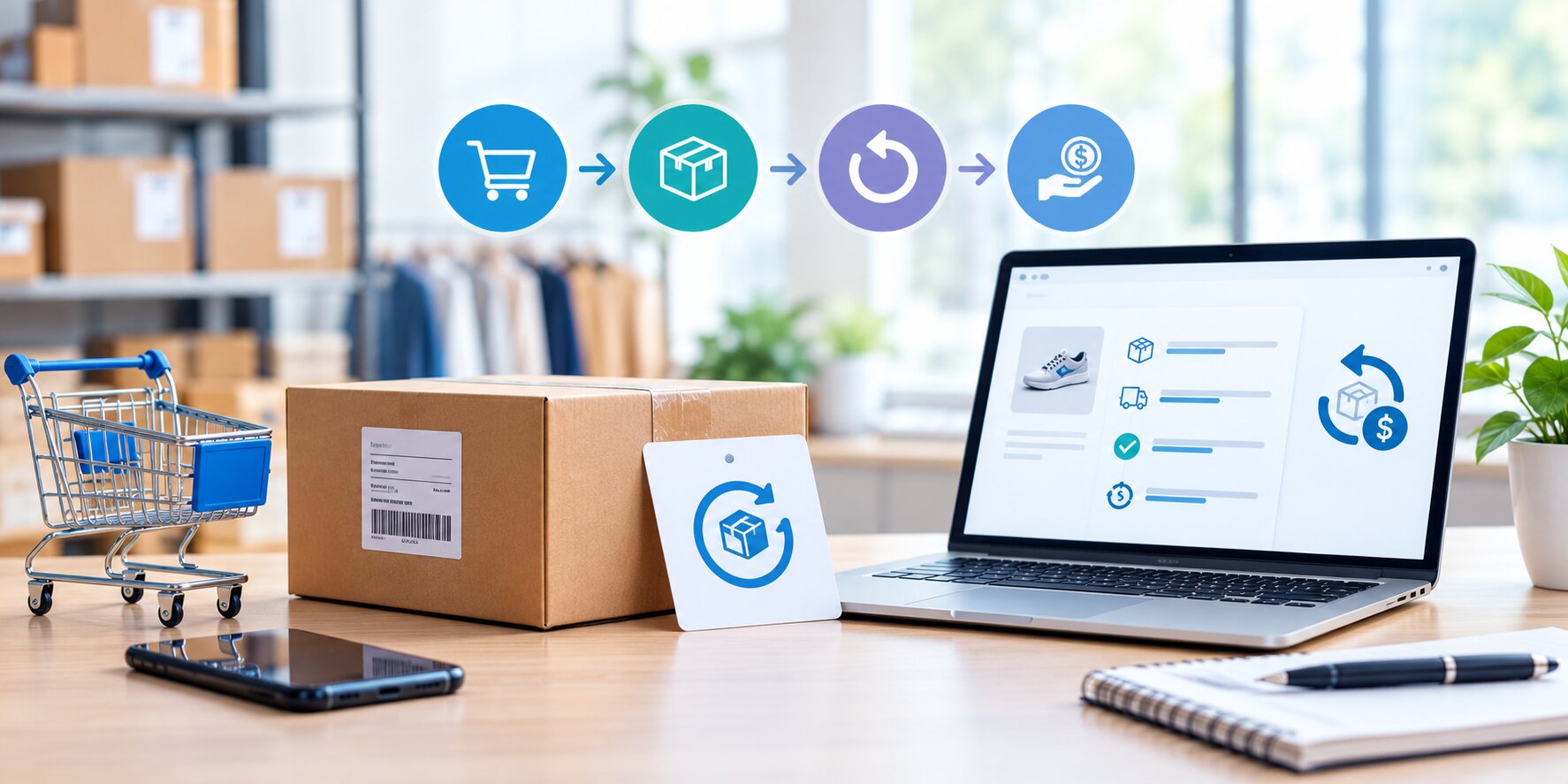
Managing returns and refunds is a normal part of running an online store, but handling hundreds or thousands of requests can quickly overwhelm customer service teams. Delayed refunds, unclear return policies, and inconsistent communication can frustrate customers and create unnecessary operational costs.
For growing U.S. e-commerce businesses, an efficient returns process is essential for maintaining customer trust while protecting profit margins. The challenge is to make returns convenient for customers without allowing administrative work to slow down the business.
With structured workflows, automation, and reliable customer support, businesses can simplify e-commerce returns management and handle increasing request volumes without compromising service quality.
Why Is E-commerce Returns Management Important?
E-commerce returns management covers the entire process of handling returned products, from the initial customer request to product inspection, inventory updates, and the final refund or exchange.
A poorly managed process can lead to repeated customer inquiries, delayed payments, inventory discrepancies, and lost sales opportunities. Conversely, a transparent returns experience can strengthen customer relationships and encourage repeat purchases.
According to Shopify’s e-commerce returns guidance, returns also affect inventory availability, operating costs, and customer loyalty. Businesses should therefore treat returns as an essential operational function rather than an occasional customer service task.
1. Create a Clear and Consistent Return Policy
Before increasing returns processing capacity, establish a policy that explains exactly how customers can return products.
Your policy should clearly state:
- Which products qualify for returns.
- The return window and applicable conditions.
- Who pays return shipping costs.
- How refunds, exchanges, and store credits work.
- Expected processing timelines.
- How customers can request assistance.
Make this information easy to find on product pages, order confirmation emails, and your website’s help center.
Clear policies reduce unnecessary questions and help customer service representatives make consistent decisions. They also establish realistic expectations before a customer makes a purchase.
2. Automate Repetitive Returns and Refund Tasks
Manual processing becomes difficult to maintain as order volumes increase. Automation can reduce repetitive work and help teams handle routine requests more efficiently.
Consider using e-commerce tools that support:
- Self-service return requests.
- Automatic order and return eligibility checks.
- Return authorization and shipping-label generation.
- Automated status notifications.
- Refund tracking and inventory updates.
For example, a customer who meets the return policy requirements could submit a request through a self-service portal without waiting for an agent.
However, automation should not eliminate human oversight. Unusual requests, suspected fraud, damaged products, and policy exceptions may require individual review.
The goal is to automate predictable tasks while reserving human support for situations that need judgment.
3. Standardize E-commerce Refund Management
Consistent e-commerce refund management helps prevent processing delays, duplicate refunds, and customer confusion.
Develop a standard workflow that explains what happens after a refund request is received.
A typical process includes:
- Verify the order and customer information.
- Check the request against the return policy.
- Approve, reject, or escalate the request.
- Confirm whether the returned product must be received or inspected first.
- Process the authorized refund through the appropriate payment system.
- Notify the customer and update the order record.
Define who is authorized to approve refunds and establish additional review requirements for high-value transactions.
Keep customers informed throughout the process. Explain when a refund has been initiated and clarify that the time required for funds to appear in an account may depend on the payment provider or financial institution.
4. Use Outsourced Returns Processing to Manage Growing Workloads
When internal teams cannot keep up with incoming requests, outsourced returns processing can help businesses expand their operational capacity.
External support teams can assist with return-request verification, customer communication, order-status updates, refund documentation, and routine administrative tasks.
Depending on the provider’s capabilities, outsourcing can also support return tracking and coordination with fulfillment partners.
Before delegating responsibilities, document your workflows, establish quality standards, and define which decisions require internal approval. Give external teams access only to the systems and customer information necessary for their responsibilities.
A well-managed outsourcing arrangement allows internal employees to focus on complex cases, business improvements, and customer retention while routine requests continue moving through the process.
5. Strengthen Online Store Customer Service
Efficient returns processing depends on clear communication as much as operational speed.
Strong online store customer service should make it easy for shoppers to understand their options, check request status, and receive help when something goes wrong.
Use email templates and a centralized support system to maintain consistent responses across communication channels. Where possible, connect customer service tools with order and returns information so agents can access relevant details without switching between multiple platforms.
Track common questions and recurring complaints. If customers repeatedly ask about refund timelines or return eligibility, improve your policy explanations and automated notifications.
Personalized assistance remains important for sensitive situations, including incorrect shipments, damaged items, and delayed refunds. Automation should make support more responsive, not less human.
6. Track Performance and Improve the Process
To manage returns at scale, businesses need to measure both operational efficiency and customer experience.
Useful performance indicators include:
- Return processing time: How long it takes to resolve a return.
- Refund turnaround time: How quickly approved refunds are initiated.
- First-contact resolution: The percentage of inquiries resolved in the first interaction.
- Repeat inquiry rate: How often customers contact support about the same request.
- Return reasons: The most common causes of returned products.
- Customer satisfaction: How customers rate the returns experience.
Review these metrics regularly to identify bottlenecks and opportunities for improvement.
For example, repeated returns caused by incorrect sizing information may indicate a product-page issue rather than a customer service problem. Addressing the underlying cause can reduce future returns and improve the shopping experience.
How AcceleraOps Can Support E-commerce Operations
As online stores grow, managing customer inquiries, return requests, and administrative responsibilities can become increasingly demanding.
AcceleraOps offers outsourcing and virtual assistant solutions that businesses can explore to support their operational needs. With clearly defined workflows, trained support professionals, and appropriate oversight, businesses can organize routine tasks and improve their ability to manage growing workloads.
Whether you need help with customer communication, administrative processes, or returns-related support, the right operational structure can help your team work more efficiently.
Visit AcceleraOps to explore solutions for supporting your business operations.
Frequently Asked Questions
What is e-commerce returns management?
E-commerce returns management is the process of handling returned online purchases, including return requests, eligibility checks, shipping coordination, product inspection, refunds, exchanges, and inventory updates.
How can online stores process refunds faster?
Online stores can speed up refunds by automating eligibility checks, standardizing approval workflows, using integrated payment systems, and notifying customers about each processing stage.
What is outsourced returns processing?
Outsourced returns processing involves delegating selected returns-related tasks to an external service provider. These tasks may include customer communication, request verification, return tracking, and refund administration.
How can businesses handle a high volume of refund requests?
Businesses can manage high request volumes through self-service portals, automated notifications, standardized procedures, clear refund policies, and additional support staff when needed.
How does customer service affect e-commerce returns?
Responsive customer service helps shoppers understand return policies, resolve problems, and receive timely updates. Clear communication can reduce repeated inquiries and improve customer confidence.
Which metrics should businesses track for returns management?
Businesses should monitor return processing time, refund turnaround time, repeat inquiries, return reasons, customer satisfaction, and the cost of handling each return.
Can outsourcing help reduce e-commerce operational costs?
Outsourcing may help businesses manage fluctuating workloads and reduce the need to handle every routine task internally. Results depend on service costs, process quality, workload, and the provider’s capabilities.
How can online stores reduce unnecessary returns?
Businesses can improve product descriptions, provide accurate sizing information, use clear photographs, check fulfillment accuracy, and analyze return reasons to identify recurring product or delivery problems.
Recent Post
-
 What Tasks Can an Executive VA Handle for a Growing Business?30 Oct 2026
-
 How a Virtual Assistant Can Help a Small Business Manage Cash Flow Records26 Oct 2026
-
How to Handle E-commerce Returns and Refund Requests at Scale23 Oct 2026
-
 How to Document Standard Operating Procedures Before Outsourcing Business Tasks22 Oct 2026
-
 What Is CRM Data Enrichment and Why Does It Matter?28 Sep 2026
Ready to put these insights into action?
Let’s build your outsourcing strategy together. Free consultation, no
obligation.